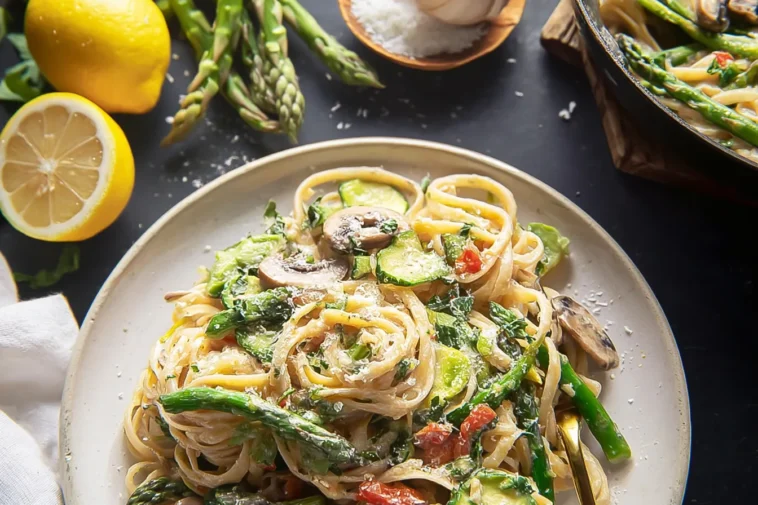
Spring is a season bursting with vibrant colors and fresh flavors, making it the perfect backdrop for a delightful dish like Spring Pasta Primavera. This beloved Italian recipe highlights an array of seasonal vegetables, celebrating the freshness of nature’s bounty. With every bite, you can savor the essence of springtime, providing not just nourishment but also a sense of renewal.
Moreover, preparing a light pasta primavera is a wonderful way to showcase your culinary skills while keeping meals healthy and satisfying. Whether you prefer a classic version or your own creative twist, this springtime pasta dish invites you to embrace the season’s joys while enjoying a plateful of vibrant goodness.
Fresh Vegetables in Spring Pasta Primavera:
Spring Pasta Primavera is a vibrant dish that celebrates the season’s bounty of fresh vegetables. The essence of this pasta dish lies in the selection of colorful, crisp veggies that add texture and flavor. Ingredients like snap peas, asparagus, zucchini, and bell peppers bring not only visual appeal but also an array of nutrients that nourish your body and excite your palate.
To enhance the health factor, consider pairing your meal with a light side, such as a fresh spring asparagus and feta quinoa salad. The freshness of the salad complements the rich textures of the Primavera, making it a well-rounded meal.
For a delightful twist, try incorporating seasonal herbs like basil or parsley to further elevate the flavors. These fresh ingredients help transform the pasta into a spring-inspired feast that invites everyone to enjoy its lively, vibrant essence. Spring Pasta Primavera not only nourishes the body but also sparks joy in the cooking process, making it a staple for your spring dining table.
Ingredients for Spring Pasta Primavera:
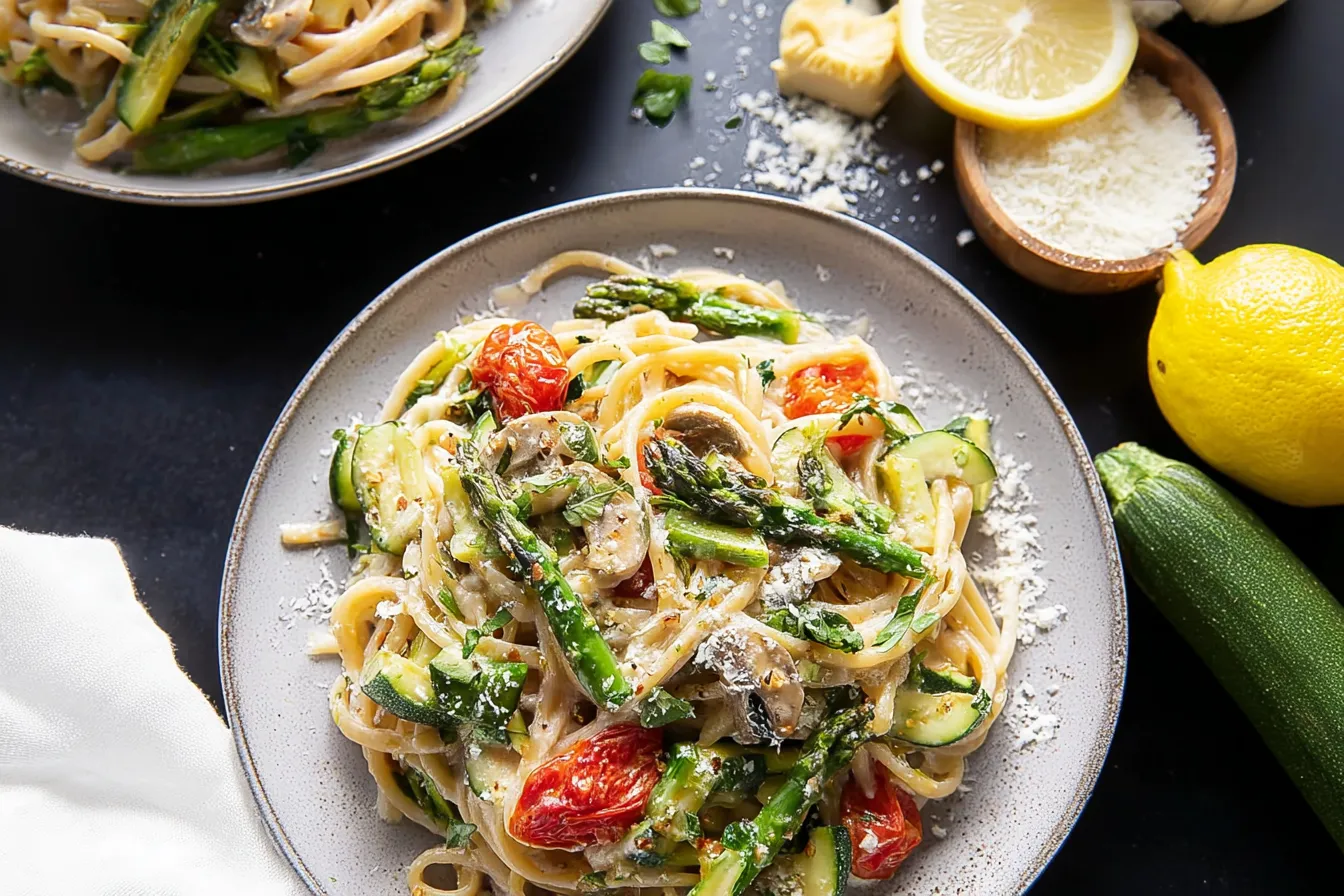
To prepare a delightful Spring Pasta Primavera, gather the following ingredients:
- 2 tablespoons extra-virgin olive oil
- 1/4 lb fresh asparagus, ends trimmed and cut into 1-inch pieces
- 1-1/2 cups fresh broccoli, cut into 1/2-inch florets
- 1 cup sliced mushrooms
- 1 small zucchini, ends trimmed and thinly sliced
- 3 medium cloves garlic, minced
- 1 cup cherry tomatoes, halved
- 1 cup firmly-packed baby spinach
- 1 cup frozen peas
- Salt and pepper to taste
- 12 oz dry fettuccine pasta
- 3 tablespoons unsalted butter
- 1 tablespoon all-purpose flour
- 1/2 cup heavy whipping cream
- 3/4 cup 2% or skim milk
- 1/2 cup grated Parmesan cheese
- 1 tablespoon grated lemon zest
- 3 tablespoons minced fresh basil
This vibrant dish showcases the freshness of spring produce while being creamy and satisfying. For more spring-inspired recipes, check out this Bright Spring Salad with Citrus Vinaigrette.
How to Prepare Spring Pasta Primavera:
Begin by heating 2 tablespoons of extra-virgin olive oil in a large skillet over medium heat. Add the asparagus and broccoli; sauté for about 3 minutes. Then, add the sliced mushrooms and zucchini, cooking until they soften, around 2-3 minutes. Incorporate the minced garlic and cook until fragrant, about 1 minute. Stir in cherry tomatoes, frozen peas, and baby spinach; season with salt and pepper to taste.
In a separate pot, cook 12 oz of fettuccine pasta according to package instructions until al dente. Meanwhile, melt 3 tablespoons of unsalted butter in another skillet. Whisk in 1 tablespoon of all-purpose flour, then gradually add 1/2 cup of heavy whipping cream and 3/4 cup of milk. Stir in 1/2 cup of grated Parmesan cheese, lemon zest, and fresh basil. Combine the pasta with the sautéed veggies and cream sauce. For more delicious springtime recipes, check out this veggie pasta primavera for inspiration. Enjoy your vibrant plate of Spring Pasta Primavera!
Health Benefits of Spring Pasta Primavera:
Spring Pasta Primavera is not only vibrant and flavorful but is also packed with numerous health benefits. This delightful dish is loaded with fresh vegetables, such as asparagus, bell peppers, and zucchini, which provide essential vitamins and minerals. These ingredients are rich in antioxidants that help combat free radicals in the body.
Eating a vegetable-rich meal like Pasta Primavera supports digestive health due to its high fiber content. Fiber promotes better digestion and can aid in maintaining a healthy weight. Moreover, the whole grains often used in the pasta provide long-lasting energy without the crash associated with refined grains.
Additionally, you can enhance the nutritional profile by pairing it with a refreshing side, such as a bright spring salad. This combination not only makes for a balanced meal but also elevates flavor and satisfaction, adding further benefits to your springtime dining experience. Enjoy this delightful spring dish while nourishing your body!
Flavor Variations for Spring Pasta Primavera:
Spring Pasta Primavera celebrates the vibrant flavors of the season, but you can elevate it with some unique variations. Start by adding proteins like grilled chicken or shrimp for a heartier meal. For a vegetarian twist, consider chickpeas or lentils, which provide a protein boost while complementing the fresh vegetables. Add a splash of zest by incorporating citrus elements—think lemon juice or orange zest.
Don’t forget about herbs; fresh basil and mint can enhance the overall taste profile significantly. For an extra layer of creaminess, try a drizzle of homemade garlic sauce, similar to what’s found in Creamy Spring Greens Soup. This addition not only pairs well with the spring veggies but also creates a delightful creamy texture that contrasts beautifully with the pasta. Explore variations and make your Spring Pasta Primavera uniquely yours!
Storage Tips for Spring Pasta Primavera:
To keep your vibrant Spring Pasta Primavera fresh, store it in an airtight container in the refrigerator for up to three days. If you anticipate leftovers, consider reserving the sauce and pasta separately to maintain the dish’s texture. Alternatively, enhance your meal experience with a refreshing bright spring salad alongside. Enjoy the taste of spring!
Frequently Asked Questions (FAQs):
What ingredients are essential for Spring Pasta Primavera?
The foundation of Spring Pasta Primavera includes fresh seasonal vegetables, such as bell peppers, asparagus, and peas. Additionally, you’ll need pasta, olive oil, garlic, and your choice of herbs, allowing for vibrant flavors that highlight spring.
Can I make Spring Pasta Primavera vegan?
Absolutely! To create a vegan version, simply omit any cheese or substitute with a plant-based alternative. Using warm vegetable broth or a splash of lemon juice can enhance the overall flavor.
Are there any good side dishes to serve with this recipe?
A light salad, such as a bright spring salad with citrus vinaigrette, pairs beautifully with Spring Pasta Primavera, adding a refreshing contrast.
How can I customize the recipe for dietary restrictions?
Feel free to swap out pasta for gluten-free options like rice noodles, or choose low-carb zoodles. You can also adjust vegetable selections based on your preferences.
What is the best way to store leftovers of Spring Pasta Primavera?
Store any leftovers in an airtight container in the refrigerator. Consume within three days for optimal freshness and flavor while reheating gently on the stove or microwave.
Is Spring Pasta Primavera suitable for meal prep?
Definitely! Preparing this dish in advance works well. However, it’s best to store the vegetables separately to maintain their texture, adding them just before serving.
Print
Spring Pasta Primavera: Enjoy a Wholesome Seasonal Meal
- Total Time: 35 minutes
- Yield: 4 servings 1x
- Diet: Vegetarian
Description
This Spring Pasta Primavera is a vibrant dish packed with seasonal vegetables and a creamy sauce that celebrates the flavors of spring.
Ingredients
2 tablespoons extra-virgin olive oil
1/4 lb fresh asparagus
ends trimmed and cut into 1-inch pieces
1–1/2 cups fresh broccoli
cut into 1/2-inch florets
1 cup sliced mushrooms
1 small zucchini
ends trimmed and thinly sliced
3 medium cloves garlic
minced
1 cup cherry tomatoes
halved
1 cup firmly-packed baby spinach
1 cup frozen peas
Salt and pepper to taste
12 oz dry fettuccine pasta
3 tablespoons unsalted butter
1 tablespoon all-purpose flour
1/2 cup heavy whipping cream
3/4 cup 2% or skim milk
1/2 cup grated Parmesan cheese
1 tablespoon grated lemon zest
3 tablespoons minced fresh basil
Instructions
- In a large pot, bring salted water to a boil and cook fettuccine according to package directions. Drain and set aside.
- In a large skillet, heat olive oil over medium heat. Add asparagus and broccoli, sautéing for about 3-4 minutes.
- Add mushrooms, zucchini, and garlic, continuing to sauté until the vegetables are tender, about 5 minutes.
- Stir in cherry tomatoes, spinach, and peas, cooking for an additional 2-3 minutes until heated through.
- In a separate saucepan, melt butter over medium heat and whisk in flour, cooking for 1 minute.
- Gradually whisk in the heavy cream and milk, cooking until thickened, about 3-4 minutes.
- Remove from heat and stir in Parmesan cheese, lemon zest, basil, salt, and pepper.
- Combine the vegetable mixture with the cooked fettuccine and creamy sauce, tossing to combine.
- Serve warm, garnished with additional basil if desired.
Notes
Feel free to substitute any seasonal vegetables you have on hand. This dish is versatile and can be adjusted to your taste.
- Prep Time: 15 minutes
- Cook Time: 20 minutes
- Category: Main Course
- Method: cooking
- Cuisine: Italian
Nutrition
- Serving Size: 1 bowl
- Calories: 420 kcal
- Sugar: 6 g
- Sodium: 320 mg
- Fat: 18 g
- Saturated Fat: 9 g
- Unsaturated Fat: 7 g
- Trans Fat: 0 g
- Carbohydrates: 52 g
- Fiber: 5 g
- Protein: 14 g
- Cholesterol: 40 mg
Keywords: Pasta Primavera, Spring Pasta, Vegetarian Pasta, Fettuccine, Spring Recipe