

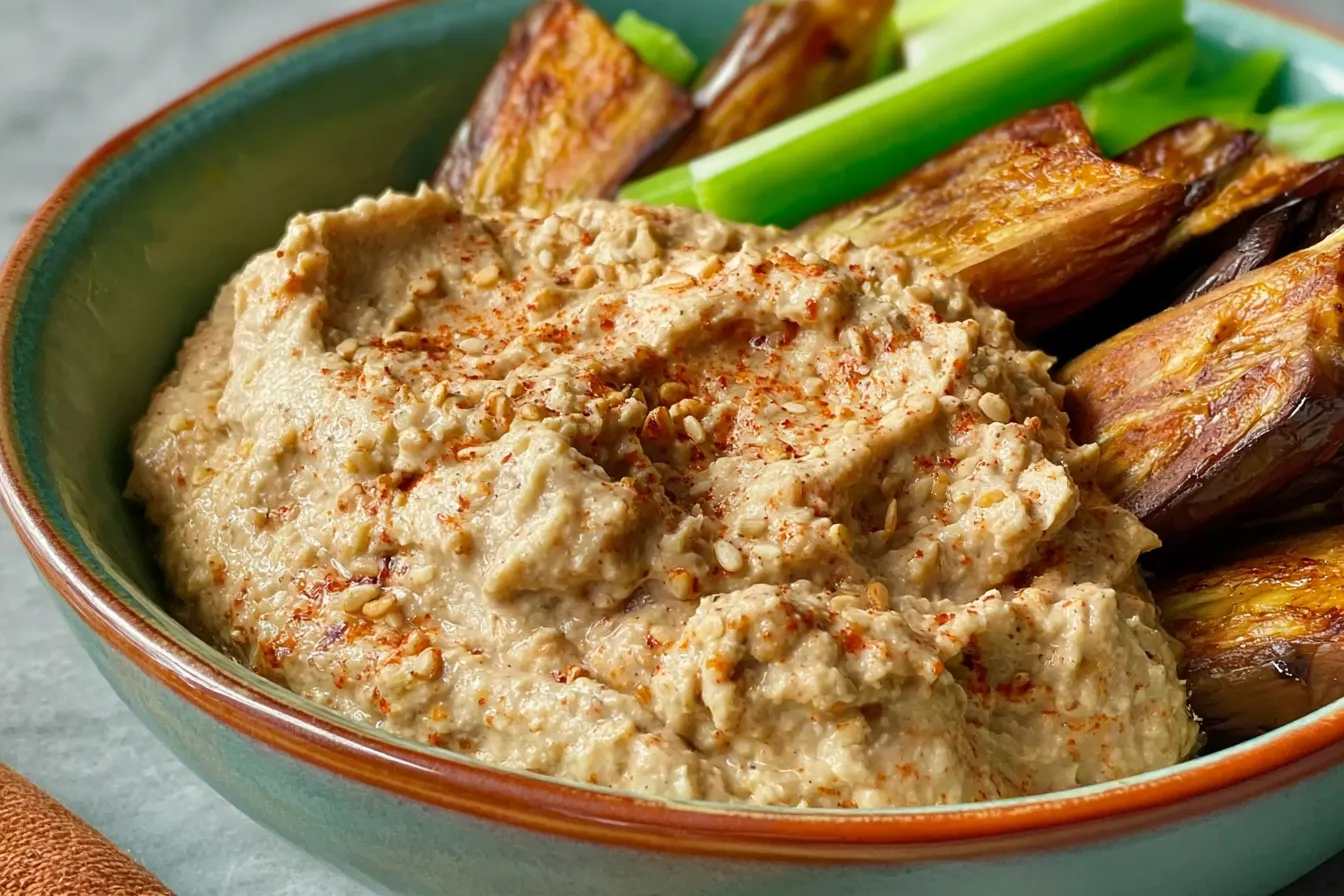
Are you ready to elevate your culinary adventures? Gochujang Eggplant, a delicious twist on traditional eggplant dishes, combines the unique flavors of Korean chili paste with tender, roasted eggplant. This vibrant dish is not only packed with flavor but also offers a perfect blend of sweet, spicy, and savory notes that will tantalize your taste buds.
With the growing popularity of Korean cuisine, Gochujang Eggplant is an enticing option for those looking to explore new flavors while enjoying a healthy, plant-based meal. From its rich texture to the alluring aroma, this dish promises to impress your family and friends, making it a must-try for any food enthusiast. Get ready to discover how this savory creation can transform your dining experience!
Ingredients for Gochujang Eggplant:
To create a mouthwatering Gochujang Eggplant dish, gather the following ingredients:
– 1 large eggplant
– 2 tablespoons lemon juice (or more to taste)
– 1/4 cup tahini (adjust for preferred creaminess)
– 2 tablespoons sesame seeds
– 2 cloves garlic, minced
– Salt and pepper to taste
– 1 ½ tablespoons olive oil
This combination results in a flavorful and unique roasted eggplant dish that excites the palate. The tahini adds a creamy texture, while the Gochujang underscores the umami flavor profile. To complement this dish, consider trying out a refreshing Winter Fruit Salad with Maple Lime Dressing. The acidity in the salad contrasts beautifully with the Gochujang Eggplant, creating a balanced and harmonious meal experience. Enjoy your cooking journey and savor each delectable bite!
How to Prepare Gochujang Eggplant:
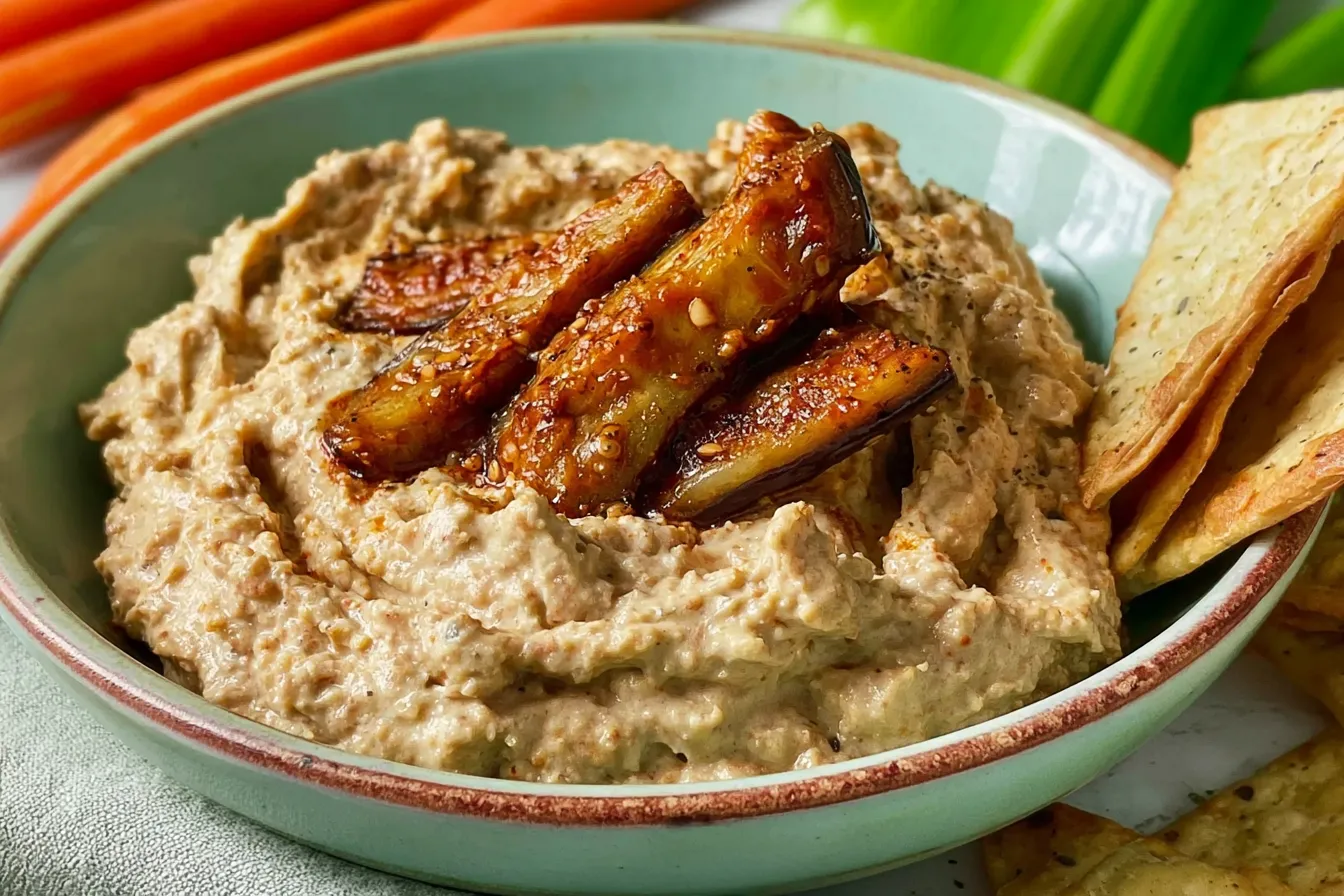
To create a delectable Gochujang Eggplant, start by preheating your oven to 400°F (200°C). Slice the large eggplant into thick rounds or cubes, depending on your preference. Next, sprinkle salt over the eggplant pieces and let them sit for about 15 minutes. This will remove excess moisture and bitterness.
In a medium bowl, mix the tahini, lemon juice, minced garlic, olive oil, sesame seeds, salt, and pepper. Adjust the lemon juice to enhance the flavor. Once your eggplant has rested, rinse off the salt and pat it dry. Toss the eggplant pieces in the tahini mixture until thoroughly coated.
Arrange the eggplant on a baking sheet and roast for about 25-30 minutes or until tender and golden brown, flipping halfway through. For an exciting meal, serve your Gochujang Eggplant on a bed of quinoa or as part of a refreshing Asian Chicken Crunch Salad. Enjoy this delightful dish, packed with flavors and nutrients!
Serving Suggestions for Gochujang Eggplant:
Gochujang eggplant can shine as a vibrant main dish or a flavorful side. For a balanced meal, consider pairing it with a light Asian chicken crunch salad. This salad’s crisp textures and fresh ingredients complement the savory depth of the gochujang eggplant perfectly. Serve the eggplant over a bed of fluffy rice or quinoa to soak up the delicious sauce, enhancing every bite.
For a delightful appetizer, try it as a spread on warm pita, reminiscent of baba ghanoush, which you can find the recipe for here. The smoky flavors of the eggplant harmonize well with the tahini in baba ghanoush, creating a rich taste sensation.
Additionally, consider serving it alongside grilled chicken or tofu for a hearty vegan feast. Its bold flavors elevate any dish, making Gochujang eggplant a versatile delight in your culinary adventures!
Benefits of Gochujang Eggplant:
Gochujang eggplant is not only delicious but also packed with numerous health benefits. First and foremost, eggplants are low in calories, making them an excellent choice for those watching their weight. They are rich in dietary fiber, aiding digestion and promoting a feeling of fullness. Gochujang, a Korean chili paste, adds depth with its fermented flavors while providing essential antioxidants. This spice can help boost metabolism and possibly aid in weight loss.
Additionally, incorporating gochujang eggplant into your meals introduces beneficial nutrients like vitamins A, C, and K. These vitamins help support immune function and promote healthy skin. To complement this dish, consider pairing it with something fresh like an apple cranberry salad with maple Dijon dressing, which can further enhance your nutrient intake. Overall, indulging in gochujang eggplant is a tasty way to boost your health while exploring vibrant flavors.
Storage Tips for Gochujang Eggplant:
When you prepare delicious Gochujang Eggplant, it’s essential to store it properly to maintain freshness and flavor. First, allow the eggplant to cool down to room temperature after cooking. Then, transfer it to an airtight container. This will prevent moisture from building up, keeping the eggplant tender and flavorful. For optimal preservation, store it in the refrigerator where it can last for about 3 to 5 days.
If you’re planning to keep it longer, consider freezing it. Place the cooled Gochujang Eggplant in a freezer-safe bag, remove excess air, and seal it tightly. It can last in the freezer for up to 3 months.
When ready to enjoy your leftovers, simply thaw and reheat. You can serve it alongside a fresh salad, like this refreshing Apple Cranberry Salad with Maple Dijon Dressing, to balance the flavors. Proper storage ensures that your spicy eggplant dish remains a delightful treat even days later.
Variations of Gochujang Eggplant:
Experimenting with Gochujang Eggplant opens a world of flavor possibilities. For instance, try combining it with roasted vegetables for a hearty dish or incorporate it into a stir-fry alongside tofu for extra protein. Pairing with a refreshing salad, such as this Asian Chicken Crunch Salad, adds a delightful crunch and balance to the meal.
Frequently Asked Questions (FAQs):
What is Gochujang Eggplant?
Gochujang Eggplant features eggplant cooked in a rich and spicy Korean gochujang sauce, which is a fermented red chili paste. This unique dish highlights the umami flavors of the eggplant while adding a kick that pairs perfectly with rice or noodles.
How do I prepare eggplant for this dish?
To prepare eggplant, it’s advisable to slice it into uniform pieces, allowing for even cooking. Salting the slices beforehand helps draw out moisture and bitterness, ensuring a delightful texture when cooked.
Can I make Gochujang Eggplant vegetarian?
Absolutely! This dish is naturally vegetarian, and you can enhance it by adding a variety of vegetables or tofu for extra protein. It’s a versatile recipe perfect for any dietary preference.
How spicy is Gochujang Eggplant?
The spice level can vary based on the amount of gochujang used. If you prefer a milder flavor, start with less and adjust according to your taste. Remember, the sauce also offers a balance of sweetness that complements the spice.
What can I serve with Gochujang Eggplant?
This flavorful dish pairs beautifully with steamed rice or noodles. For a lighter option, consider serving it alongside a fresh salad. A popular choice is the Apple Cranberry Salad with Maple Dijon Dressing, which contrasts well with the savory flavors of the eggplant.
Can I store leftovers of Gochujang Eggplant?
Leftovers can be stored in an airtight container in the refrigerator for up to four days. Reheat them gently in a pan to regain their delicious texture and flavor.
Print
Gochujang Eggplant
- Total Time: 40–45 minutes
- Yield: 4 servings 1x
- Diet: Vegetarian
Description
This Gochujang Eggplant recipe features roasted eggplant drizzled with a flavorful tahini sauce, perfect for adding a spicy twist to your meal.
Ingredients
- 1 large eggplant
- 2 tablespoons lemon juice
- or more to taste
- 1/4 cup tahini
- or to taste
- 2 tablespoons sesame seeds
- 2 cloves garlic
- minced
- salt and pepper to taste
- 1 ½ tablespoons olive oil
Instructions
- Preheat the oven to 400°F (200°C).
- Slice the eggplant into rounds or cubes, and toss with olive oil, salt, and pepper.
- Spread the eggplant on a baking sheet and roast for 25-30 minutes until golden and tender.
- In a bowl, mix tahini, lemon juice, minced garlic, and additional salt and pepper to taste to create the sauce.
- Once the eggplant is done, drizzle it with the tahini sauce and sprinkle with sesame seeds.
- Serve warm as a side dish or main course.
Notes
Adjust the level of lemon juice and salt in the tahini sauce to suit your taste. You can also garnish with fresh herbs for extra flavor.
- Prep Time: 15 minutes
- Cook Time: 25–30 minutes
- Category: Side Dish
- Method: Roasting
- Cuisine: Korean
Nutrition
- Serving Size: 1 serving
- Calories: 180 kcal
- Sugar: 5 g
- Sodium: 250 mg
- Fat: 13 g
- Saturated Fat: 2 g
- Unsaturated Fat: 10 g
- Trans Fat: 0 g
- Carbohydrates: 14 g
- Fiber: 5 g
- Protein: 4 g
- Cholesterol: 0 mg
Keywords: Gochujang, Eggplant, Tahini, Spicy, Vegan, Healthy