
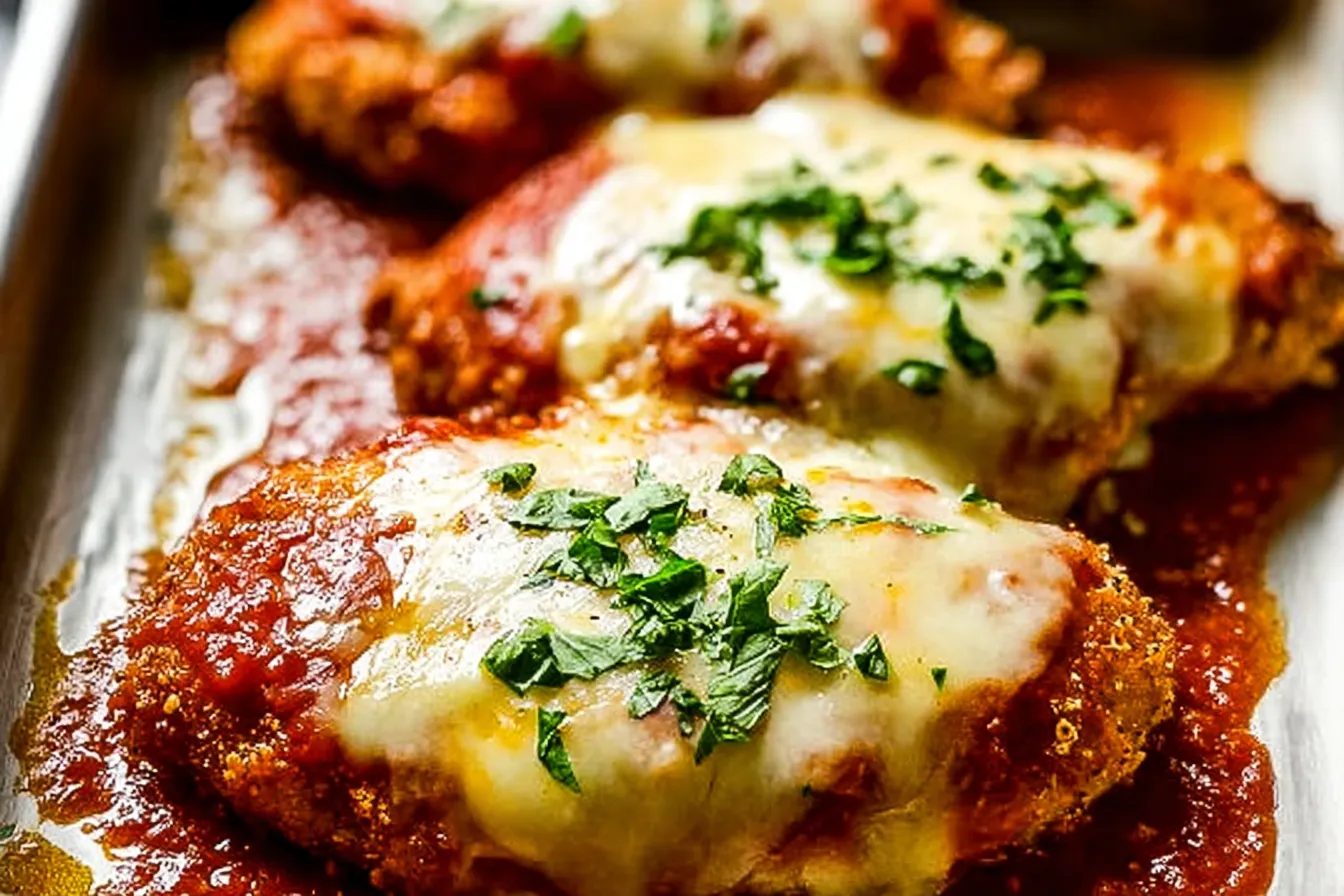
In the realm of healthy eating, chicken parm for diabetics presents an enticing option for those looking to balance flavor and nutrition. This delicious twist on the classic Italian dish allows individuals to indulge their cravings while maintaining blood sugar levels. With a few thoughtful modifications, this delightful recipe can fit seamlessly into a diabetic-friendly meal plan, proving that you don’t have to sacrifice taste for health.
Moreover, this savory dish is not only accessible but also highly customizable. By utilizing whole-grain breadcrumbs or zucchini noodles, you can enhance the nutritional profile while still enjoying the rich flavors of a traditional chicken parmesan. Whether you’re preparing a family dinner or a cozy meal for one, chicken parm for diabetics is sure to satisfy. So, let’s dive into how to make this recipe a staple in your kitchen!
Understanding Diabetic-Friendly Meals:
When creating a delicious chicken parm for diabetics, it’s essential to focus on balancing flavors while considering blood sugar levels. A traditional chicken parmesan can be quite high in carbohydrates and fats, which may not align with diabetic dietary needs. Instead, we can opt for alternatives that are equally satisfying and healthier. For instance, using zucchini noodles in place of pasta not only reduces carbs but also adds nutritional value.
To further enhance your diabetic-friendly meal, consider pairing your chicken dish with roasted vegetables. These not only add vibrant colors to your plate but provide fiber, which can help regulate blood sugar. For a delightful twist on your chicken dish, try this Best Mediterranean Chicken Zucchini Bake. It combines tender chicken with healthy, fresh ingredients, making it an ideal companion to chicken parm.
Moreover, implementing lean cuts of chicken, such as chicken breast, and monitoring your portion sizes can further support your health goals. Embracing these approaches ensures that indulging in chicken parm for diabetics remains tasty without compromising health.
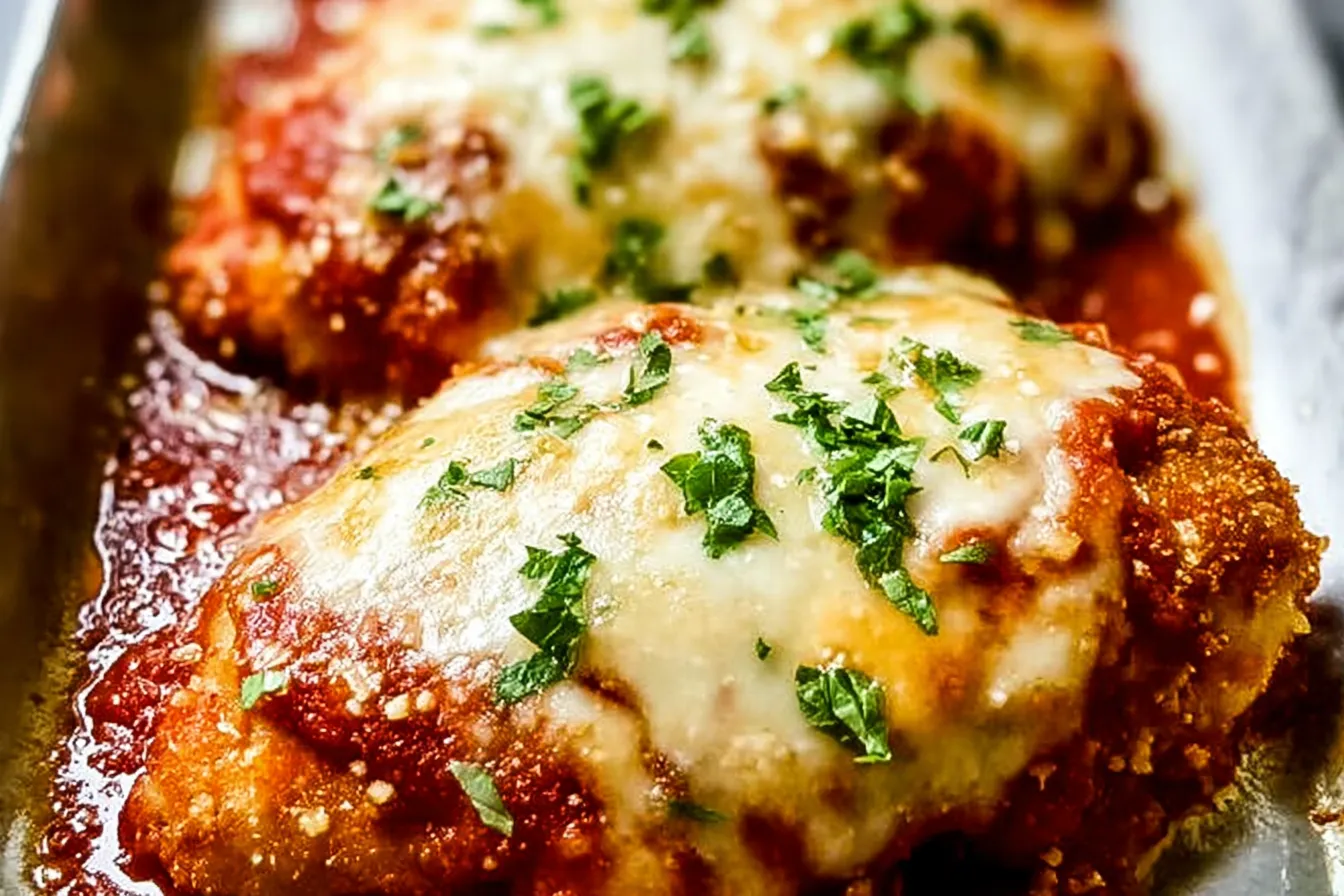
Ingredients for chicken parm for diabetics:
This diabetic-friendly chicken parm recipe is not only delicious but also easy to make. Below are the exact measurements you’ll need:
- Chicken: 4 boneless, skinless chicken breasts (about 4 oz each)
- Breading & Coating:
- ⅓ cup finely crushed whole-grain crispbread (lowest sodium available)
- ⅓ cup shredded or grated parmesan cheese
- 2 tablespoons minced fresh parsley
- 1 teaspoon ground oregano
- ¼ teaspoon pepper
- Egg Mixture:
- 1 large egg
- 1 tablespoon water
- 1 teaspoon olive oil
- Toppings:
- 1 cup homemade or low-carb marinara sauce
- 1 cup shredded mozzarella cheese (low-fat or part-skim)
For a delightful twist on this dish, you might enjoy Easy Bruschetta Chicken. It’s a flavorful option that complements the principles behind chicken parm for diabetics.
How to prepare chicken parm for diabetics:
To create a delicious chicken parm for diabetics, start by preparing your chicken. Preheat your oven to 375°F (190°C). Flatten the 4 boneless, skinless chicken breasts to ensure even cooking. In one bowl, whisk together 1 large egg, 1 tablespoon of water, and 1 teaspoon of olive oil. In another bowl, mix ⅓ cup finely crushed whole-grain crispbread, ⅓ cup shredded Parmesan cheese, 2 tablespoons minced parsley, 1 teaspoon oregano, and ¼ teaspoon pepper for the breading.
Dip each chicken breast into the egg mixture, then coat with the breading. Place them on a baking sheet lined with parchment paper. Bake for about 25 minutes or until cooked through. For the finishing touch, spoon 1 cup of low-carb marinara sauce over the chicken and sprinkle 1 cup of low-fat mozzarella cheese on top. Return to the oven for an additional 10 minutes until the cheese melts. This dish pairs beautifully with side options, such as zucchini noodles, available through this recipe. For more detailed guidance, refer to this link for specific techniques and variations.
Nutritional Benefits of Chicken Parm for Diabetics:
Chicken parmesan can be a healthy meal option for diabetics with thoughtful modifications. This dish typically features lean chicken breast, which is a great source of protein, helping maintain muscle mass and stabilize blood sugar levels. To make it even healthier, opt for whole grain breadcrumbs and use less cheese, reducing saturated fat intake. This approach helps satisfy cravings while controlling calorie intake.
Pairing chicken parm with a side of veggies, like roasted parmesan garlic carrots, can boost fiber content. Fiber slows down glucose absorption, further supporting healthy blood sugar levels. Another advantage is its versatility; you can experiment with low-carb sauces or adapt the recipe to include zucchini noodles. These changes ensure that enjoying chicken parm for diabetics remains flavorful and satisfying while promoting a balanced diet. For more creative meal ideas that support diabetic needs, check out this delicious chicken and zucchini casserole.
Serving Suggestions for chicken parm for diabetics:
When serving chicken parm for diabetics, consider pairing it with nutrient-rich sides to balance the meal. A fresh salad drizzled with olive oil and vinegar can provide essential vitamins without spiking blood sugar levels. You could also explore pairing it with zucchini noodles, which offers a low-carb alternative to traditional pasta. These noodles complement the dish while keeping it diabetic-friendly.
For an added boost of flavor, try roasting vegetables like broccoli or bell peppers seasoned with herbs. This simple side adds color and nutrition, making your meal more satisfying. If you want a heartier touch, consider serving the chicken parm alongside a delightful garlic butter chicken dish; the flavors meld wonderfully without compromising dietary needs. For more ideas on easy and delicious meal options, check out this enticing recipe for garlic butter chicken. Each suggestion enriches your chicken parm experience while being gentle on blood sugar.
Storage tips for chicken parm for diabetics:
To store your chicken parm for diabetics safely, let it cool before placing it in an airtight container. Refrigerate for up to three days. For longer storage, consider freezing portions. When ready to enjoy, reheat thoroughly to maintain taste and safety. Pair with delicious sides like easy bruschetta chicken to complement your meal.
Frequently Asked Questions (FAQs):
What modifications can I make for a diabetic-friendly chicken parm?
When preparing a chicken parm for diabetics, opt for whole grain breadcrumbs instead of traditional white breading. Use low-fat cheese and sugar-free marinara sauce to reduce carbohydrates. Additionally, serving it with steamed vegetables instead of pasta helps maintain healthy blood sugar levels.
Can chicken parm be part of a balanced diabetic diet?
Absolutely! Incorporating chicken parm into a diabetic meal plan is feasible. Ensure portion control and pair it with fiber-rich foods, such as salad or roasted vegetables, which can balance out the meal’s carbohydrate content.
What is the best way to cook chicken parm for diabetics?
Baking or grilling the chicken is preferable over frying. This method significantly cuts down on unhealthy fats, making the dish lighter and better suited for those managing their blood sugar levels.
Are there any sides that pair well with diabetic-friendly chicken parm?
Yes, many side dishes complement a healthier version of chicken parm. Consider zucchini noodles with chicken and tomatoes, which offer a delicious, low-carb alternative. This pairs well while contributing essential nutrients.
Is it okay to have chicken parm for special occasions if diabetic?
Certainly! Enjoying chicken parm for special occasions is perfectly okay. Just keep mindful of the serving size and make adjustments according to your dietary needs, allowing for a well-rounded celebration.
How often can diabetics consume chicken parm?
While not an everyday meal, chicken parm for diabetics can be enjoyed occasionally. Focus on variety in meals to maintain overall health, ensuring you’re meeting your nutritional requirements. For more delicious ideas, check out a recipe like Garlic Butter Chicken for balanced options.
Print
Chicken Parm for Diabetics
- Total Time: 50 minutes
- Yield: 4 servings 1x
- Diet: Diabetic
Description
Enjoy this low-carb, healthier version of the classic chicken parmesan, tailored specifically for diabetics without compromising on flavor.
Ingredients
4 boneless
skinless chicken breasts about 4 oz each
⅓ cup finely crushed whole-grain crispbread lowest sodium available
⅓ cup shredded or grated parmesan cheese
2 tablespoon minced fresh parsley
1 teaspoon ground oregano
¼ teaspoon pepper
1 large egg
1 tablespoon water
1 teaspoon olive oil
1 cup homemade or low-carb marinara sauce
1 cup shredded mozzarella cheese low-fat or part-skim
Instructions
- Preheat your oven to 375°F (190°C).
- In a shallow dish, mix together the crushed whole-grain crispbread, parmesan cheese, parsley, oregano, and pepper.
- In another bowl, whisk together the egg, water, and olive oil.
- Dip each chicken breast in the egg mixture, then coat with the breadcrumb mixture, ensuring an even layer.
- Place the coated chicken breasts on a baking sheet lined with parchment paper.
- Bake for 25 minutes or until the chicken is cooked through and golden brown.
- Remove from the oven, top each chicken breast with marinara sauce and mozzarella cheese.
- Return to the oven, baking for an additional 5 minutes or until the cheese is melted and bubbly.
- Let cool for a few minutes before serving.
Notes
You can make your own low-carb marinara sauce to keep the dish diabetic-friendly. Serve with a side of steamed vegetables for a complete meal.
- Prep Time: 15 minutes
- Cook Time: 35 minutes
- Category: Main Course
- Method: baking
- Cuisine: Italian-inspired
Nutrition
- Serving Size: 1 chicken breast
- Calories: 310 kcal
- Sugar: 4 g
- Sodium: 480 mg
- Fat: 11 g
- Saturated Fat: 4 g
- Unsaturated Fat: 6 g
- Trans Fat: 0 g
- Carbohydrates: 10 g
- Fiber: 2 g
- Protein: 38 g
- Cholesterol: 110 mg
Keywords: chicken parm for diabetics, diabetic-friendly chicken parmesan, low-carb chicken recipes