
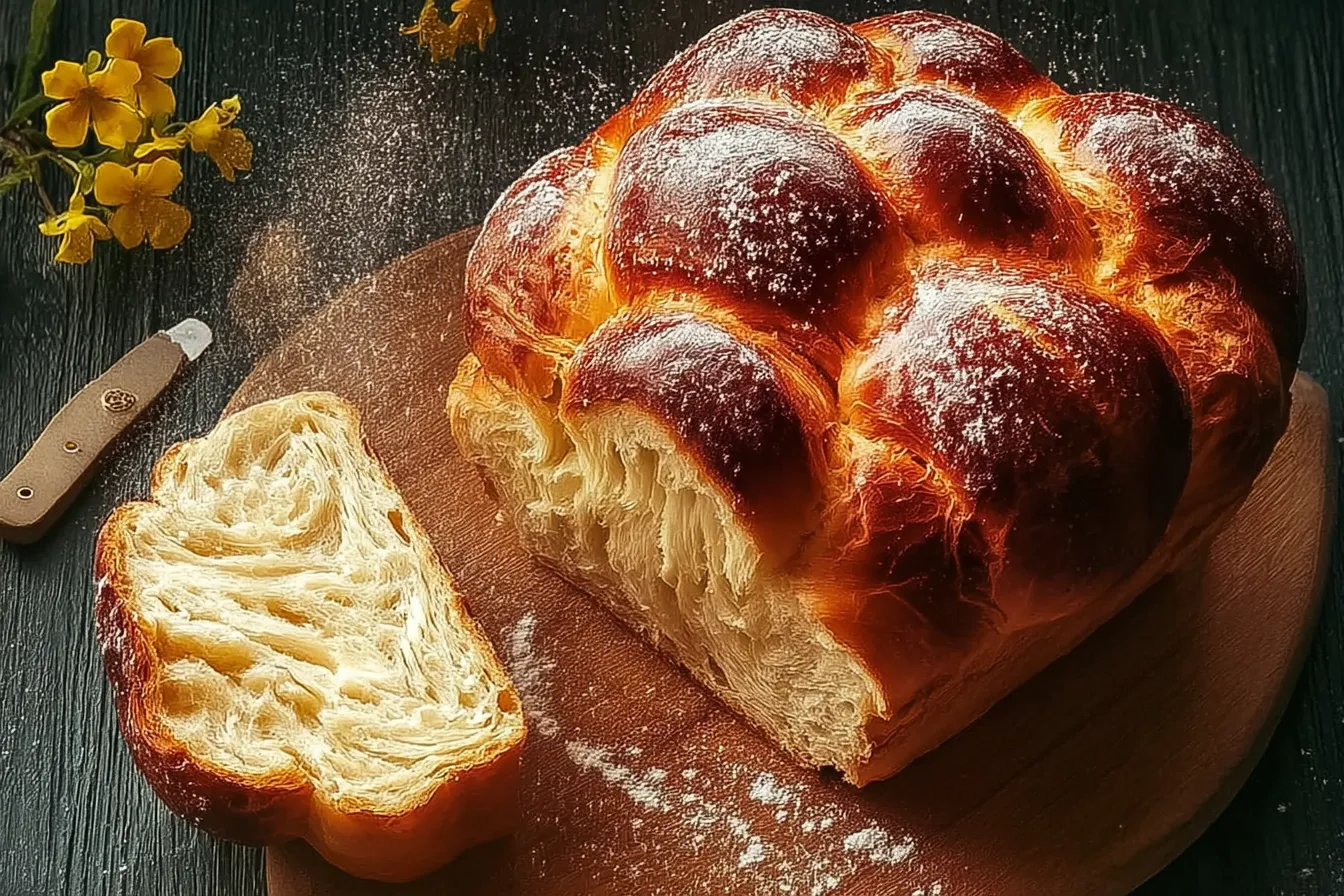
Paska, a delightful traditional Easter bread, captivates the senses with its rich flavors and festive allure. Often adorned with intricate patterns and a glossy finish, this sweet bread symbolizes renewal and celebration during the spring season. Families across various cultures relish the experience of baking Paska together, making it a cherished part of their holiday traditions.
In addition to its aesthetic appeal, Paska delivers a comforting taste that combines hints of vanilla and citrus, inviting everyone to gather around the table. As you explore the nuances of this exquisite bread, you’ll discover why it has become a beloved centerpiece for many celebrations, bringing warmth and joy to festive feasts.
Traditional Easter Bread History:
Paska, a beloved Easter bread, has deep roots in various Eastern European cultures, particularly among Ukrainian and Polish communities. Traditionally, this sweet, rich bread is prepared to celebrate the resurrection of Christ. Its round shape symbolizes the spirit of everlasting life, while its golden crust represents the sun.
Families often gather to create this delightful bread, blending ingredients like eggs, butter, and sugar to give Paska its distinctive taste and light texture. In addition to its traditional significance, Paska is commonly served alongside other festive dishes, making it a centerpiece of Easter brunch tables. If you’re interested in easy baking ideas, check out these quick and easy bread recipes.
As this delightful bread continues to play a vital role in holiday celebrations, it reflects the unity and joy of families coming together to honor their traditions. Whether your Paska is adorned with icing or enjoyed plain, its preparation fosters a sense of love and community during the holiday season.
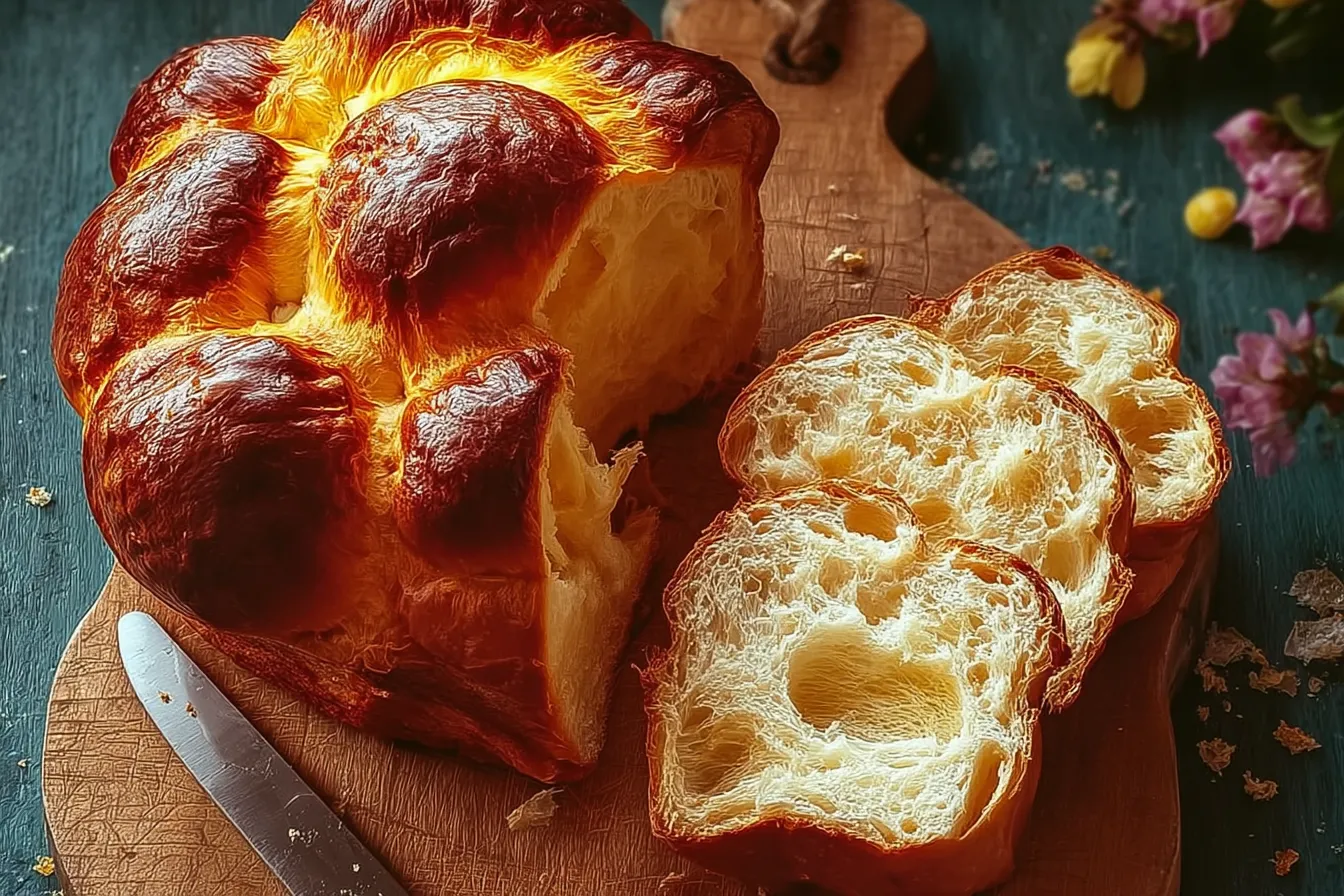
Ingredients for Paska:
Paska, a traditional Eastern European bread often enjoyed during Easter, boasts a delightful combination of flavors and textures. To prepare this lovely sweet bread, gather the following ingredients:
- 1 cup warm milk (110°F / 43°C)
- 2 ¼ teaspoons active dry yeast
- ½ cup sugar
- 3 large eggs
- ½ cup unsalted butter, melted
- 1 teaspoon salt
- 1 teaspoon vanilla extract
- 4 to 5 cups all-purpose flour
- 1 egg yolk + 1 tablespoon water (for egg wash)
This beautifully rich bread rises to perfection, making it a centerpiece for your Easter table. If you’re looking for other comforting recipes, consider trying this easy hot cross buns. They provide a similarly festive touch that complements Paska wonderfully. Enjoy baking this delightful bread!
How to Prepare Paska:
To make a delightful Paska, begin by warming 1 cup of milk to about 110°F (43°C). In a mixing bowl, combine the warm milk with 2 ¼ teaspoons of active dry yeast and let it sit for 5–10 minutes until bubbly. Next, whisk in ½ cup of sugar, 3 large eggs, ½ cup of melted unsalted butter, 1 teaspoon of salt, and 1 teaspoon of vanilla extract. Gradually add 4 to 5 cups of all-purpose flour until a soft dough forms. Knead the dough on a floured surface for about 5–7 minutes.
Transfer the dough to a greased bowl, cover it with a cloth, and let it rise in a warm spot until doubled in size, approximately 1 hour. Preheat your oven to 350°F (175°C). Punch down the dough and shape it into a loaf or decorative form. For a golden finish, brush the top with an egg wash made from 1 egg yolk mixed with 1 tablespoon of water. Bake for about 30-35 minutes or until the bread is golden brown.
For additional tips on festive baking, check out this guide on easy hot cross buns. If you’re interested in different Paska recipes or variations, visit this resource for detailed instructions.
Serving Suggestions for Paska:
Paska, the traditional Easter bread, is versatile and can be paired with various accompaniments to enhance its flavors. For brunch gatherings, serve slices of Paska alongside fresh fruits for a burst of color and sweetness. A spread of homemade jams or honey can add a delightful touch as well. Additionally, consider offering a selection of cheeses, which complements the slightly sweet flavor of the bread beautifully.
For a heartier meal, include a savory dish like Chinese chicken salad. The freshness and crunch of the salad provide a perfect contrast to the rich texture of Paska. Finally, don’t forget to pour a glass of your favorite beverage, such as a refreshing lemonade, or even a chilled dessert wine to accentuate the experience. These combinations create a delightful feast that celebrates the essence of Paska.
Cultural Significance of Paska:
Paska, a traditional Easter bread, holds deep cultural significance in many Eastern European communities. This beautifully braided bread, often topped with intricate designs, symbolizes the end of Lent and the celebration of resurrection. Families gather to bake Paska, making it a cherished activity that fosters togetherness and strengthens bonds. The process often involves prayers and blessings, highlighting its spiritual essence.
In addition to its familial importance, Paska is frequently part of Easter brunch tables. The bread’s rich, sweet flavor pairs wonderfully with Easter dishes, creating a festive atmosphere. For those seeking further culinary inspiration, consider making easy hot cross buns for an additional treat that complements the celebratory spirit of the season.
This sacred bread not only nourishes the body but also enriches cultural identity, reminding people of their heritage and the joy of renewal during this special time.
Storage Tips:
To maintain the freshness of your Paska, store it in an airtight container at room temperature for up to three days. For longer storage, wrap it tightly in plastic wrap and freeze for up to three months. To enjoy it later, simply thaw in the refrigerator overnight. Want to try a delightful twist? Check out this recipe for easy hot cross buns, a scrumptious alternative perfect for any occasion!
Frequently Asked Questions (FAQs):
What is Paska?
Paska is a traditional Eastern European bread, often associated with Easter celebrations. Characterized by its slightly sweet flavor and rich, soft texture, this festive bread incorporates ingredients like eggs, milk, and sugar, reflecting the joy of the season. It is typically adorned with decorative motifs on top.
How is Paska different from other breads?
Unlike standard bread, Paska is enriched with eggs and butter, giving it a tender crumb and increased flavor. Additionally, it is often shaped into unique forms, showcasing elaborate patterns or symbols that hold cultural significance.
Can Paska be made in advance?
Yes, you can prepare Paska ahead of time. In fact, it can be stored for a few days at room temperature or frozen for longer preservation. Just ensure it’s wrapped properly to maintain freshness.
What are some variations of Paska?
Variations of this delightful bread include regional twists, such as adding raisins or citrus zest for extra flavor. Each family often has their own recipe, ensuring a personal touch to this traditional treat.
Is there a special way to serve Paska?
Paska is often sliced and served with butter or enjoyed alongside Easter meals. It pairs beautifully with ham or various spreads, enhancing its role in festive gatherings.
Can I find a recipe for Paska online?
Absolutely! For a delightful twist, you can check out our recipe for Easy Hot Cross Buns, which offers a similar festive feel, perfect for Easter celebrations.
Print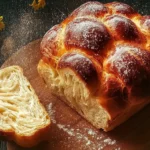
Paska: The Sweet Recipe You Need for Easter Joy
- Total Time: 50
- Yield: 4 servings 1x
- Diet: Vegetarian
Description
Paska is a traditional Eastern European sweet bread, typically enjoyed during festive occasions. This soft and fluffy bread is often flavored with vanilla and enriched with eggs and butter, making it a delightful treat to accompany any meal or celebration.
Ingredients
1 cup warm milk (110°F / 43°C)
2 ¼ teaspoons active dry yeast
½ cup sugar
3 large eggs
½ cup unsalted butter
melted
1 teaspoon salt
1 teaspoon vanilla extract
4 to 5 cups all-purpose flour
1 egg yolk + 1 tablespoon water (for egg wash)
Instructions
- In a small bowl, combine warm milk and active dry yeast. Let it sit for about 5 minutes until frothy.
- In a large mixing bowl, whisk together sugar, eggs, melted butter, salt, and vanilla extract until well combined.
- Add the yeast mixture to the bowl and stir until mixed.
- Gradually add 4 cups of flour, mixing until a dough forms. If the dough is too sticky, add more flour, a little at a time, until it’s manageable.
- Knead the dough on a floured surface for about 5-7 minutes until smooth and elastic.
- Place the kneaded dough in a greased bowl, cover with a damp cloth, and let it rise in a warm place for about 1 hour or until doubled in size.
- Preheat the oven to 350°F (175°C).
- Once risen, punch down the dough and shape it into a loaf. Place it in a greased loaf pan.
- Mix the egg yolk and water together, and brush the mixture over the top of the loaf.
- Bake in the preheated oven for about 30 minutes, or until golden brown and sounds hollow when tapped.
Notes
For an extra touch, consider adding dried fruits or citrus zest to the dough before baking. This bread can be enjoyed fresh or toasted.
- Prep Time: 20
- Cook Time: 30
- Category: Dessert
- Method: baking
- Cuisine: American
Nutrition
- Serving Size: 1 slice
- Calories: 230 kcal
- Sugar: 9 g
- Sodium: 170 mg
- Fat: 7 g
- Saturated Fat: 4 g
- Unsaturated Fat: 2.5 g
- Trans Fat: 0 g
- Carbohydrates: 36 g
- Fiber: 1 g
- Protein: 6 g
- Cholesterol: 65 mg
Keywords: Paska, sweet bread, traditional recipe, Eastern European bread, festive bread